Apple
Intel Inside and out: Apple's four decade long relationship

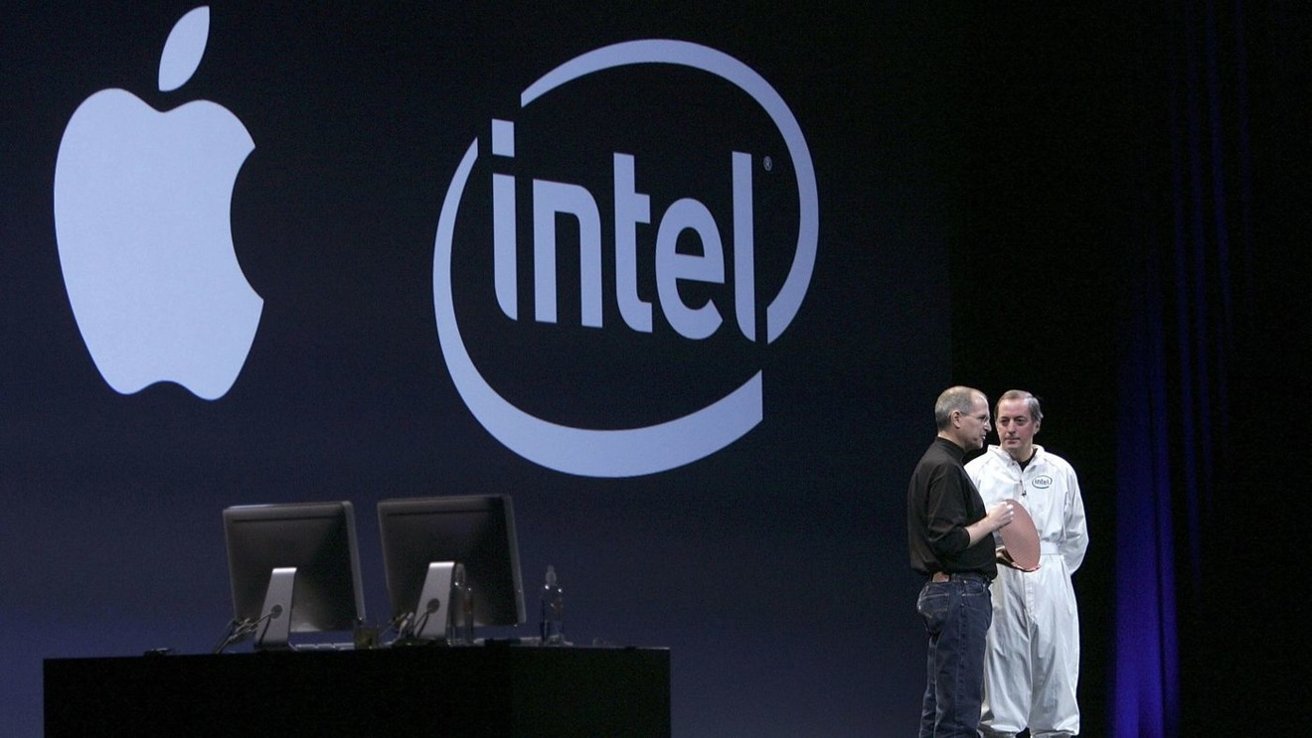
Understanding the Change in Apple’s Processor Architecture: Intel to Apple Silicon
The shift in Apple’s processor architecture is something you, as a tech enthusiast, should know about. Previously, Apple relied heavily on Intel to supply their processors. However, since 2010, Apple made a surprising decision to choose ARM (Apple Silicon) for use in Macs and other devices.
That decision marked the start of a challenging period. Apple has worked hard to develop technology that fits their needs. Over time, though, some have suggested the possibility that Apple might revert to their old choice and go back to Intel. Is that likely, or just speculation? Let’s dig a little deeper into Apple’s processor architecture change.
Why Did Apple Leave Intel?
In 2010, Apple decided to move away from the x86 processors used by Intel and migrate to ARM processors they developed themselves. The move was driven by Apple’s desire to have more control over the technology inside their devices. By using ARM, Apple could better optimize performance and power efficiency across their product lineup.
Challenges in Developing Apple Silicon
Even with the advantages of ARM, Apple faced several challenges. One of the main issues was getting applications to run on the new processors. Apple had to manage a large migration to make sure popular apps would run smoothly on Macs with ARM processors. They also needed to solve compatibility issues with existing hardware and peripherals.
Possibility of Returning to Intel
Although Apple has invested heavily in Apple Silicon, there’s still a chance they could return to their old choice and partner with Intel again. The main argument is that Apple could save costs and resources by using off-the-shelf processors. Additionally, using a widely adopted processor could offer advantages in sales and market expansion.
However, bear in mind that the idea of Apple reverting to its former strategy is still speculative. Apple has put a lot of effort into Apple Silicon, and it’s more likely they’ll continue down this path. So, the likelihood of Apple going back to Intel remains quite low.
Overall, the shift in Apple’s processor architecture is an important topic for tech fans. Apple has made a major move from Intel processors to Apple Silicon. While there’s always a possibility they could reverse course, it’s more probable they’ll keep pushing forward with Apple Silicon.
So, what will the future hold? Will Apple return to Intel, or will they continue their journey with Apple Silicon? Only time will tell.
Category
Apple
Share