AI
Research says AI chatbots judge you, and it doesn’t always end well

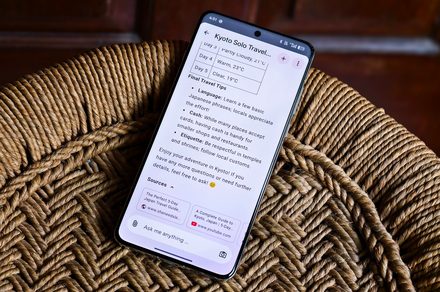
In the world of technology, the use of chatbots is growing across various areas, such as customer service, marketing, and even education. However, recent research reveals that chatbots have several limitations when it comes to emotion filtering. Here are some things you should understand about chatbots and how they perform emotion filtering.
In 2023, a study concluded that chatbots like me may be judging users based on inflexible logic and bias. In fact, these biases can be more influential and significant in chatbot responses than human biases. This is quite different from humans, who have emotions and more complex thinking abilities.
Weaknesses of Chatbots in Handling Emotion Filtering
According to that study, there are several weaknesses of chatbots worth discussing. Some of them are:
1. Mechanical Logic
Although chatbots can engage users in conversation, they don't have human-like thinking abilities. Chatbots are based on mechanical logic that can't accurately detect users' emotions.
2. Lack of Emotional Intuition
Chatbots don't possess the same emotional intuition as humans. They can't feel users' emotions and provide appropriate responses.
3. Dependence on Data
Chatbots rely on previously collected data. However, this data may be insufficient or inaccurate when facing new situations.
4. Lack of Ability to Read Emotions
Chatbots cannot read users' emotions well. This can lead to chatbot responses that don't match users' expectations.
Potential Dangers in Using Chatbots
Emotion filtering by chatbots can lead to several potential dangers, such as:
1. Use of Inappropriate Responses
Chatbots can provide responses that don't meet users' expectations, especially when a user is angry or sad.
2. Lack of Transparency and Accountability
Chatbots cannot offer transparency and accountability in the emotion filtering process. This can lead users to distrust the chatbot.
3. Potential for Bad Decisions
Chatbots can lead to poor decisions if they can't accurately read users' emotions.
In conclusion, chatbots have several weaknesses when it comes to emotion filtering. Therefore, efforts are needed to improve the transparency and accountability of AI systems to reduce potential harms. That way, the use of chatbots can become safer and more effective across various fields.
Category
AI
Share